“Budgeting for Belizean Prosperity”
Budget Presentation
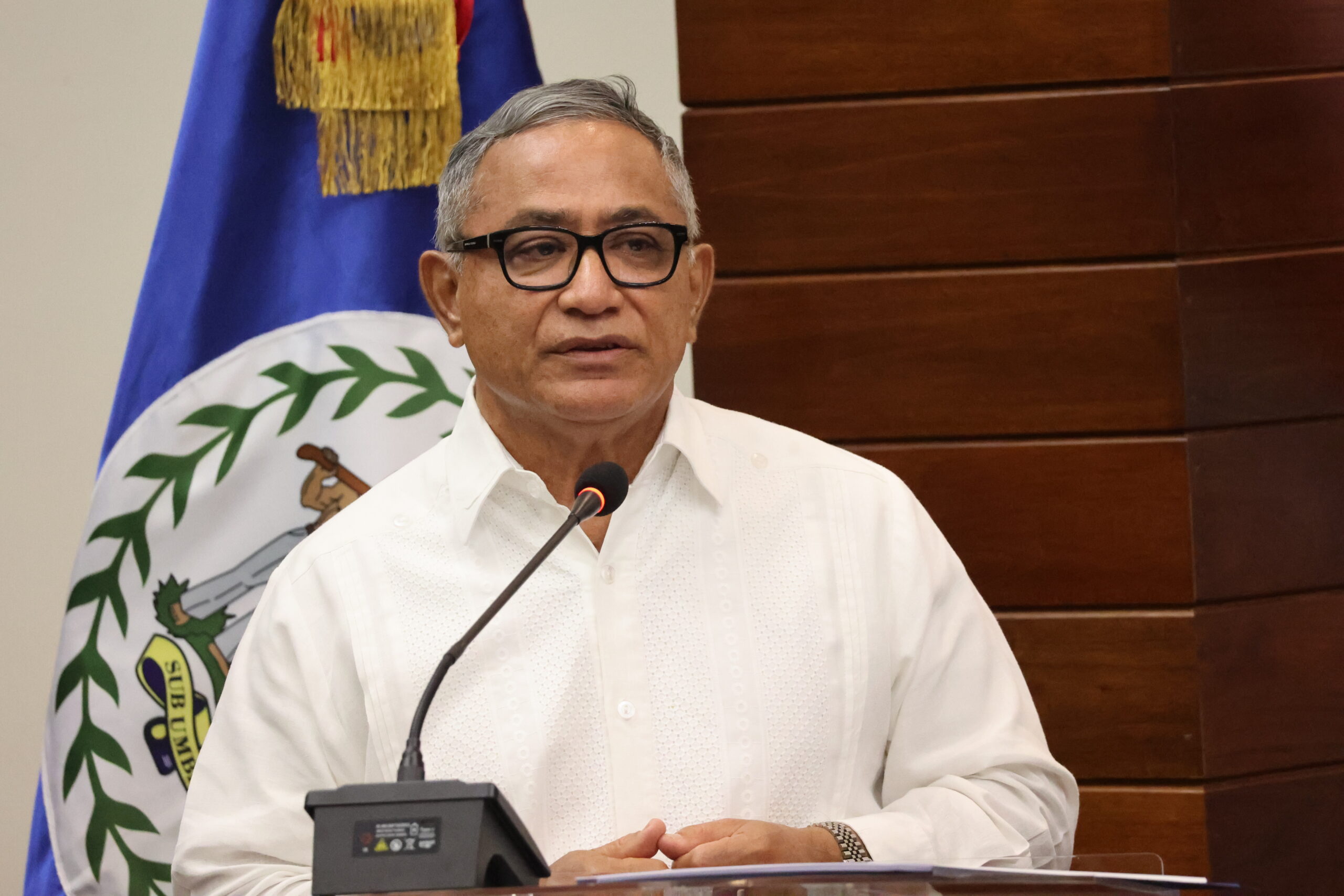
by Prime Minister Hon. John Briceño
March 10, 2026
Madam Speaker,
I rise to introduce the Budget Appropriations Bill for the Fiscal Year 2026/27.
In tabling these estimates of revenues and expenditures for the upcoming fiscal year, I will also report on the performance of the current Budget for Fiscal Year 2025/26.
We live in an age of instant communications, with social media platforms providing constant news from every corner of the globe. The flood of news, the reels and posts, more often than not, indicate the turbulence of our age. And turbulence by its very nature has a disproportionate impact on small, open economies such as ours.
I heard firsthand about the volatile effects of our turbulent age in the recent meeting of Caricom Heads of State, where colleagues shared, often times with immense anxiety, the complex challenges they face in maintaining stability while meeting the soaring demands of their people.
In this period of widespread upheaval, or more pointedly, what the Canadian Prime Minister recently described as a period of rupture, the proud truth is that Belize continues to shine as a distinctive land – steadfast, resilient, and future-focused.
Let me tell you why I can make this claim.
For our nation to benefit from the sunshine of tomorrow, we must first lay the most durable seeds today. And that is exactly what this Administration has been doing tirelessly since November of 2020.
The seeds have started to sprout, stirring our nation to a seminal surge in prosperity.
The pillars of sustained prosperity include diversified growth, robust employment, a strong currency, ample credit and a government that invests in the welfare of its people through education, healthcare, infrastructure and security.
On each of these scores, Belize is surpassing regional performance.
Last year, our economy grew by 1.9%
This year, the projection is 2.3% growth.
The latest employment report by the Statistical Institute of Belize shows a historic low of 2.0 %. In other words, 98 of every 100 who sought work, found work.
The Belize dollar remains firmly fixed to the US dollar at 2 to 1, backed up by $1.1 billion in Central Bank reserves and $737.5 million in commercial bank external assets.
The public debt, as a percentage of GDP, has been cut in half since 2020.
Credit outstanding from the commercial banks to the private sector stood at $2.8 billion, reflecting growth in the 2025 of 7.6 percent. And the commercial banks currently hold $720.2 million in excess liquidity, available to the private sector to grow the economy and raise employment even higher.
Finally, total government spending for fiscal year 2025/26, ending on March 31, will be $1.68 billion, representing 24.1% of annual gross domestic product. Of this amount, $275.3 million would have been spent on education, $146.2 million on the healthcare system including the NHI, $130.5 million on infrastructure and $218.0 million on public security.
In the upcoming fiscal year, public officers, teachers and security personnel, will benefit from another 4.0% in salary increases, valued at $28.5 million on an annual basis. This will be in addition to last year’s increase of 4.5% or some $31.5 million. In total, government has pledged wage and pension increases valued at $78.7 million for this fiscal year, surely an impressive adjustment by any measure.
These are the clear and compelling reasons I can confidently assert that Belize is distinguishing itself among small nations in our hemisphere and our world.
Today’s Budget proposals will lift even higher our standing and spirits, fulfilling this government’s commitment to boosting prosperity and opportunity for every Belizean.
II – International and Domestic Developments:
International Developments
In 2025, the global economy advanced with resilience, despite uneven growth across regions. The world navigated a more fragmented international landscape, marked by heightened uncertainty, strains on the rules-based order, and more pronounced great-power rivalry. Rising protectionist measures and renewed tariff disputes triggered sharp market reactions, pushing equity prices lower and tightening borrowing conditions as markets rapidly repriced risk. Cross-border financial flows were similarly affected, underscoring how swiftly geopolitical developments can influence global stability. These developments echoed warnings that economic tools—including tariffs and coercive trade practices— were increasingly being used as instruments of geopolitical competition. Even so, trade in technology linked and advanced-manufacturing goods remained relatively resilient, helping to cushion weaker performance in other sectors of advanced economies.
According to the IMF’s January 2026 World Economic Outlook (WEO) Update, global activity expanded by 3.3 percent in 2025, broadly in line with 3.2 percent in 2024, reflecting the world economy’s continued capacity to adapt despite sustained external pressures. This measured stability emerged from competing dynamics: shifting trade policies and renewed tariff disputes weighed on confidence and trade flows, while robust investment in new technologies and ongoing private-sector adaptability provided important support.
Across major economies, performance varied. Advanced economies grew by 1.8 percent in 2024 and about 1.5 percent in 2025, as tighter financial conditions and subdued demand limited momentum. Emerging market and developing economies, which expanded by 4.2 percent in 2024, sustained growth just above 4.0 percent in 2025, supported by a recovery in large emerging Asian markets and resilient domestic demand.
This challenging environment was felt acutely in Latin America and the Caribbean, where varying exposure to global trade, remittances, commodity prices, and capital-market conditions shaped outcomes across the region. Despite global volatility, growth in the region “remained steady” in 2025, reflecting a mix of supportive external conditions and underlying structural vulnerabilities. However, elevated public debt, uneven disinflation, and long-standing productivity constraints continued to weigh on the region. For the Caribbean specifically, climate-related shocks, high transport costs, and dependence on external demand amplified the effects of a turbulent global environment. These pressures were compounded by the region’s sensitivity to shifts in global capital markets and its reliance on tourism, remittances, and imported goods. The Latin America and the Caribbean region expanded by 2.0 percent in 2024 and is estimated to have grown 2.2 percent in 2025, even amid tighter financial conditions and elevated uncertainty. The Caribbean (excluding Guyana) strengthened from 1.8 percent in 2024 to an estimated 2.3 percent in 2025, supported by a continued recovery in tourism through stronger visitor arrivals and steady activity in construction and services, although elevated transport costs and persistent climate vulnerabilities remained a challenge.
Global inflation continued to ease. Worldwide inflation declined to an estimated 4.1 percent in 2025, down from 5.9 percent in 2024, as supply chains further normalized and energy markets stabilized. While the pace of disinflation varied across countries, the overall easing of price pressures offered welcome relief to households and businesses.
Amid this complex external landscape, Belize remained steady. Even as the world contended with shi ing trade policies, geopolitical tensions, and rapid technological change, Belize navigated 2025 with resilience—anchored by disciplined economic management, strengthened buffers, and a steadfast commitment to maintaining stability and broad-based prosperity.
Domestic Developments
Real Sector Performance
Within this evolving global environment, Belize’s economy continued its steady forward movement. Real GDP growth for 2025 is estimated at 1.9 percent by the Central Bank of Belize, a moderation from the 3.5 percent expansion in 2024. Our nation is transitioning from the rapid post- pandemic rebound toward more sustainable, pre-pandemic growth conditions.
The primary sector—our agriculture, fisheries, and mining industries—was the main driver of this expansion. Farmers and producers delivered strong outputs across corn, soybeans, bananas, citrus, livestock and marine products. These gains were significant enough to offset the sharp decline in sugarcane production caused by adverse weather and the spread of the Fusarium disease. Their resilience reflects not only hard work but also the deep strength of Belize’s rural economy.
The secondary sector—our construction, utilities, and manufacturing industries—grew at a more modest pace. Activity remained supported by expansion in the construction industry and gains in water services. However, contractions in electricity production from renewable sources and declines in food manufacturing, particularly in sugar, molasses, citrus juices, flour, and beverages, tempered overall performance.
The tertiary sector—the various service industries that drive our economy—also slowed. Weaker tourism and subdued wholesale and retail trade weighed on overall activity. Nonetheless, other key private service industries—particularly financial intermedia on and business process outsourcing— continued to post strong, encouraging gains.
Inflation and Labour Market
In 2025, Belizean households experienced a meaningful easing of price pressures. Inflation fell to 1.1 percent, down sharply from 3.3 percent in 2024 and the near-record high of 6.3 percent in 2022, supported by lower fuel and communication costs and the continued normalization of international supply and freight conditions.
Our labour market performed exceptionally well. Unemployment fell to a historic low averaging 2.0 percent in 2025, down from 2.6 percent the year before, driven by job creation in service-oriented industries, particularly wholesale and retail trade, as well as in the tourism sector. More Belizeans entered the labour force, and wage growth outpaced inflation—strengthening real incomes and boosting purchasing power for families across the country.
However, even amid this good news, we recognize that structural challenges remain. High informality and persistent gender gaps in the workplace are easing, but they still demand continued, deliberate action.
Monetary Sector Developments
Turning to the monetary and financial sector, monetary expansion broadly supported economic activity. The money supply expanded by 5.9 percent, reflecting a surge in domestic credit, which more than compensated for a moderate reduction in the net foreign assets of the banking system.
2025 marked the strongest year of credit growth since 2007. Credit to the private sector expanded by $200.6 million, or by 7.5 percent, double the average pace of the previous three years, driven by increases in both commercial and retail loans. This financing supported key industries, including tourism, distribution, manufacturing, commercial construction, and agriculture. Households also benefited from increased access to personal loans, home improvement financing, and mortgages.
This expansion was made possible by ample liquidity in the banking system. By year-end, excess liquid assets totaled $720.2 million, and excess cash reserves stood at $474.4 million, both significantly above statutory requirements. Interest rates adjusted gradually during the year, reflecting continued adjustments in market-based pricing for financial products. The weighted average lending rate inched up by 15 basis points to 8.96 percent, while the deposit rate eased by 16 basis points to 1.58 percent. Notably, lending rates on residential construction loans moved lower, providing some support for housing-related investment.
The banking system’s net foreign assets fell during the year, but this was due almost entirely to the
Government’s strategic acquisition of national energy assets from Fortis Belize Limited and Fortis Cayman Limited. The banking system’s net foreign assets fell by 9.4 percent or $182.1 million—a shift dominated by a 26.1 percent or $245.8 million decline in domestic banks’ position to $696.8 million as those banks ramped up their foreign currency sales to the Central Bank to fund the acquisition. This outcome was partly offset by a 6.4 percent or $63.7 million rise in the Central Bank’s net foreign assets to $1,064.3 million, supported by higher gross inflows, building our national reserves. Without this one-off transaction, foreign assets in the system would have increased, supported by strong inflows primarily from tourism and other service-oriented activities. Most importantly, Belize’s reserve buffers strengthened materially in 2025. The country’s official gross international reserves grew by 16 percent, rising to $1.1 billion—a critical safeguard that continues to reinforce our fixed exchange rate and provide security against external shocks.
Balance of Payments
On the external front, Belize’s current account deficit widened from 3.5 percent to 5.0 percent of GDP in 2025. This was driven primarily by a larger merchandise trade gap. Imports rose—reflecting higher spending on food, fertilizers, clothing, and construction materials—while merchandise exports contracted across most major categories, with the notable exceptions of bananas and marine products. Higher income outflows from profit repatriation and reinvested earnings added further pressure, and remittances dipped slightly amid global uncertainty and shifting migration policies abroad. Even so, our external position remained supported by a strong rebound in service inflows, particularly tourism, as well as lower freight costs and strong performance by the business processing outsourcing sector.
Public investment grants from our international development partners also provided important support.
These combined factors ensured that our international reserve levels remained strong, rising to 4.5 months of import cover—well above international benchmarks.
Outlook for 2026
The global environment is expected to remain broadly stable. The IMF projects global growth of 3.3 percent in 2026, driven by easing inflation and ongoing investment, despite persisting protectionist risks and geopolitical uncertainty. Inflation in major economies is expected to decline further as supply chains continue to normalize and energy markets remain steady. Across Latin America and the Caribbean, growth is projected to remain modest. The broader Caribbean (excluding Guyana) is expected to expand by 1.7 percent, shaped by developments in external demand, transport costs, and climate-related pressures.
In 2026, the Central Bank expects Belize’s economy to strengthen modestly, with real GDP projected to grow conservatively at 2.3 percent. This outlook reflects ongoing efforts to build greater resilience in tourism and agriculture, as well as to direct strategic investments into priority areas, such as energy, infrastructure, and healthcare.
From a sectoral perspective, growth is expected to be less volatile across sectors and within them. Primary sector growth will be supported by sugarcane rehabilitation, strong demand for grains, expansion in non-traditional crops, livestock development, and a measured recovery in citrus. The secondary sector is projected to record gains across all industries, with improved agricultural output bolstering manufacturing and biomass-based electricity generation, while heightened public investment supports construction. Tertiary sector output is expected to rebound modestly. Expanded airlift capacity, strengthened tourism marketing, and improved room stock are projected to strengthen performance in transport, food and accommodation, and trade. Additionally, continued expansion in government services, business process outsourcing, and financial services will further support growth momentum.
Notwithstanding, short-term economic developments will continue to be influenced by factors such as international financial conditions, geopolitical tensions, commodity prices, climatic events, and the trends in international tourism demand.
III – The Public Debt:
Madam Speaker,
In our first term of office, from November 2020 to March of 2025, we were meticulous in managing the public debt. The record shows that after inheriting a debt load that was north of 130 percent of annual GDP, this Administration slashed that debt ratio in half.
Our approach to managing the public debt will remain just as meticulous during this second term.
At present, the public debt stands at $4.676 billion, which is approximately 66.6 percent of annual GDP.
Of this total debt, $2.984 billion or about 64 percent is external debt owed to creditors outside of Belize. The balance of $1.692 billion or 36 percent is debt denominated in Belize dollars owed to local lenders and to the Central Bank.
During Fiscal Year, 2025/26, Government paid $131.8 million in interest charges on the public debt.
This means that government’s average borrowing rate is 3.5 percent.
During the last budget year, $126 million was paid in amortization or principal payments.
For the new Budget Year, Government expects to pay $189.1 million in interest and $140.0 million in principal repayments.
Today, Belize’s public debt is considered to be on an absolutely sustainable foundation but not only by the IMF but also by the international rating agencies.
IV – Fiscal Year 2025/2026 Budget Outturn
Total revenue and grants for this fiscal year was 1.653 billion dollars, of which 1.590 billion dollars represented recurrent revenue. Of that recurrent revenue, 1.590 billion dollars in recurrent revenue, of which 1.465 billion dollars was tax revenue, namely taxes four broad categories: income and profits, property, international trade and transaction and good and services. Non-tax revenues for a year totaled 125.4 million dollars.
Capital revenues, almost entirely from the sale of crown land, total 4.413 million dollars.
Fifty-eight million was the total value of grants received during the fiscal year.
On the expenditure side, total spending for the fiscal year was 1.687 billion dollars.
Recurrent spending totaled 1.229 billion dollars and capital spending totaled 458 million dollars.
Of the capital spending, Capital 2 investments, financed from domestic sources, amounted to 345 million dollars and Capital 3 spending, financed from external sources, amounted to 105 million dollars.
Government’s spending on salaries for its estimated 15,000 workforce – all teachers and public officers – was 598 million dollars, with an additional 123 million dollars spent on pensions and ex-gratia payments. Put differently, 58 cents of every dollar of government recurring spending goes to salaries and pensions. And put another way, 45 cents out of every dollar of tax collected are spent on just these two categories.
Here is the bottom line: Government attained a primary surplus of 1.40 percent of GDP and an overall deficit of 0.49 percent, significantly out-performing the approved budget targets of 1.52 percent of GDP and minus 0.60 percent of GDP, respectively.
Amortization Payments amounted to another $126 million dollars.
Government financing needs including amortization amounted to $160 million dollars.
V – Fiscal Year 2026/2027 Budget Proposal:
With the success of the last fiscal year under our belt, Cabinet and I propose a balanced and targeted framework for the new fiscal year, which will start on 1st April 2026.
On the revenue side of the ledger, 1.79 billion dollars is projected for revenue and grants, which is an increase of 139 million dollars compared to the last period, or some 8.5 percent growth, to be achieved by continued economic growth and collection efficiencies.
Of the $139 million, the largest increase, $116 million dollars is to come from an increase in recurrent revenue growth, while $9 million will come from an increase in grants and a further $2.3 million in capital revenue, while the residual is accounted for by small increases across the revenue landscape.
On the expenditure side, we propose 1.902 billion dollars in total spending, of which 1.296 billion dollars are recurrent in nature and 606.8 million dollars represents capital investments.
In this budget cycle, $85.5 million in Health Expenditures are now re-classified from Recurrent Budget into the Capital II Budget, while some $21 million in Education Expenditure has also been reclassified, both to better align with international government financial statistics classifications.
For this fiscal year, 780 million dollars is allotted to salaries and pensions, representing 60 percent of total recurrent spending. This total represents a net increase year-on-year of 82 million dollars, or about
11.7 percent.
Madam Speaker, at $780 million, the wages and pensions charges account for almost 11 % of GDP – one of the highest in the region and therefore something that we have to keep under tight control.
Reflecting our determination to direct the maximum possible resources to public sector capital investments, and specifically to funding the Medium-Term Economic Strategy, this year’s capital spending is the highest amount ever, at 606.8 million dollars and the highest percentage ever of total spending, at 32 percent.
Debt servicing costs for the year remain just below nine cents of every one dollar of spending.
During this fiscal year, Belize GDP is forecasted to exceed 7.4 billion dollars of annual output. With this growth and the prudent levels of spending we propose, the primary surplus is expected at 1.1 percent of GDP or 79.4 million dollars. The overall budget deficit is projected at negative 1.49 percent, in dollar terms some $110 million dollars, which when added to 140 million dollars for amortization payments, means that the total financing required by Government for the fiscal year is 251 million dollars or just over 3.3 percent of 2026 GDP.
Madam Speaker, as in past years, I am only summarizing the high-level figures in this year’s budget. As I anticipate individual Ministers will elaborate on the budgets for their Ministries in greater detail.
Madam Speaker, for the benefit of all, if I could just give a brief synopsis of the budget proposal as follows:
In this budget year, Government will receive $1.79 billion in revenues and grants while it expects to spend some $1.92 billion. Of this amount, some $780 million will be spent on salaries and pensions, while some $264 million will be spent on goods and services and another $60 million will be allocated to subsidies and current transfers. Debt Service will account for some $189 million. Capital spending is estimated at $606 million. Amortization is estimated $140 million.
The difference between total revenue and total expenditure (including amortization) which amounts to
$250 million, will be financed in part by $117 million in external loan disbursements while a further $133 million will be financed from domestic sources.
VI – Capital Program Highlights for New Budget
I now turn to a sampling of the principal capital projects that animate the public investment program for the next fiscal year.
Capital II Program
Madam Speaker, this year we will be appropriating a record $488.6 million dollars to our Capital II Budget – that is the portion of the overall capital program that is funded from general revenue as opposed to donor financing.
The emphasis continues to be on the upgrading and maintenance of our road infrastructure, and, to provide the necessary counterpart resources for capital projects funded by our development partners.
I would like to list just few of these programs, allowing the substantive Minister to provide greater detail during his or her presentation:
For Infrastructure Development:
- $21.9 million for the upgrading of the George Price Highway from Belize City to
Belmopan
- $8.0 million for the upgrading of the Philip Goldson Highway from Mile 8 to Mile 24
- $4.0 million for Specialized Equipment
- $8.0 million for Low Income housing
- $4.6 million for the Santa Familia Bridge
- $3.8 million for the replacement of the Belize City Swing Bridge
- $3.5 million for the replacement of the BELCAN Bridge
- And, a combined total of some $46 million for the continued maintenance of roads, streets, and drains countrywide.
Other significant allocations include:
For Health:
- $57.0 million for the Operationalization of the National Health Insurance Program
(representing a $7.0 million increase over the previous year)
- $52.5 million for Central Medical Stores (representing a $20 million increase over the previous year)
- $33.7 million for Operational Support for the KHMH. For Education:
- $2.6 million for the Healthy Start Feeding Program
- $2.2 million for internet to schools
- $13.0 million for Education Grants
For Social and Community Development:
- $6.2 million for Constituency Development Programs
- $5.1 million for Community Support and Small Grants Programs
- $3.5 million for Grocery and Food Assistance
- $1.5 million in Assistance to Small Farmers
- $4.5 million for Youth Anti-Violence Multi Sectoral Programs
- $5.4 million for Social Transformation Programs
For Land Development
- $18.0 million for land acquisition payments and land surveys.
For Sporting Facilities
- $1.6 million For Maintenance of Sports Facilities.
Capital III Program
Madam Speaker, this year we will be appropriating a $117. 4 million dollars to our Capital III Budget – the overwhelming proportion coming from either highly concessionary loans from international development agencies or in some cases grants from our bilateral partners.
Madam Speaker, I would like to list just a sampling of the key capital projects that drive this year’s public investment program, in conformity with Belize’s Medium Term Development Strategy as well as the overarching goals of #Plan Belize 2.0.
In Health:
- $19. 1 million for the Construction of a state-of-the-art hospital in San Pedro Town funded by a grant from our highly valued bi-lateral partner, the Republic of China
(Taiwan)
- $1.9 million for Improving Efficiency, Quality and Access to the Health System In Education:
- $7.7 million of the Skills for the Future Program funded by the IDB
- $5.0 million for National Healthy Start Program
In Economic Transformation and Financial Management:
- $1.06 million for Sustainable and Inclusive Urban Development Program (an IDB funded project to contribute to sustainable urban development of municipalities in northern Belize)
- $1.0 million for the Belize Blue Cities and Beyond Project (a World Bank project funded by IDA resources to support San Pedro Town, Belize City and Punta Gorda through capacity building, policy development and infrastructure improvements)
- $1.0 million in Tax Administration
- $3.0 million for Digital Innovation to Boost Economic Development
- $1.0 million to Strength Public Expenditure Management
- $5.0 million for Integral Security
- $1.7 million for Global Fund Health Programs
In Infrastructure Development
- $21.9 million for the Upgrading of the George Price Highway from Belize City to
Hattieville ‘
- $15.5 million for the Upgrading of the Philip Goldson Highway
- $9.5 million for the Belcan Bridge Replacement Project
- $2.8 million for the upgrading of the Corozal to Sarteneja Road
Madam Speaker, I wish to note that many of these Capital II and Capital III programs are multi-year programs and the figures mentioned above are for this fiscal year only.
VII – Developments in Key Projects
National Health Insurance(NHI)
Madam Speaker, as we present the financial roadmap for Fiscal Year 2026–2027, we do so with an unwavering commitment to the health of our people—because access to quality healthcare is a right, not a privilege. In the People’s United Party we believe strongly that our health is our wealth!
Since taking office in November 2020, we committed ourselves to revitalizing the National Health Insurance program—not just as a funding system, but as a national promise to deliver affordable, dependable, and life-changing care. Today, that promise is taking shape. We have stabilized the primary care system in our pilot municipalities, giving thousands of Belizeans access to chronic care management and essential diagnostic services at little to no cost. The data—and the voices of our people—show real improvements: Belizeans are managing diabetes and hypertension earlier, preventing medical emergencies that once strained families and the national health system alike. Presently, NHI primary care clinics deliver an average of 25,000 patient visits every month, ensuring that those registered with a Primary Care Provider receive medical consultations, prescribed medications, and diagnostic tests such as bloodwork, X-rays, and ultrasounds at affordable rates.
Through the NHI program for the period 2020-2025, 7,629 patients underwent diabetic eye exams. Of these, 1092 patients got cataract surgery, and an additional 735 patients went through retinopathy laser surgery. 2,267 adults obtained eyeglasses to significantly improve their eyesight and likewise 1,953 school children that needed eyeglasses received theirs. NHI provides Ophthalmology services partnering with BCVI and the private sector. This progress is the foundation upon which we now build.
NHI, a concept that started 25years ago as a pilot in the southside of Belize City, by a PUP government, is now a reality for Belizeans countrywide. A couple of weeks ago, this administration rolled out the final phase of the NHI to the second largest district, the Cayo District. This is a promise made and a promise kept!
Madam Speaker, this fiscal year 2026-2027 is for expansion and investment of NHI. We are moving from stabilization to strategic expansion. This budget allocates $57 million to deepen the NHI’s impact. Our focus will be two-fold. First, we are expanding NHI coverage to include the entire Cayo
District, finally offering services to the whole country. Once the 80,000 eligible residents of the Cayo
district are registered, we will have 325 thousand registered and active users of the NHI services countrywide. We are allocating significant resources to also strengthen the supply side—because a promise of care is empty without the infrastructure to deliver it. We are partnering with the Ministry of Health and Wellness to upgrade polyclinics in key districts and, crucially, to address the human resource gap. This budget makes provision for the recruitment of additional community health workers and pharmacists to ensure that our primary care clinics are not just open but are adequately staffed to meet the growing demand for quality care.
Madam Speaker, our long-term vision for NHI and the overall Health sector is focused on prevention and economic resilience. Investing in NHI is also one of the smartest economic decisions we can make. A healthy population is a productive population. By shifting our focus from expensive, reactive hospital care to preventative community care, we are reducing the long-term fiscal pressure on the Karl Heusner Memorial Hospital and our regional hospitals. We are also protecting Belizean families from the financial ruin that often accompanies a major illness. In Fiscal Year 20262027, NHI will intensify health promotion campaigns, because we understand that the most effective and affordable— healthcare is preventative care. We are not just building a program; we are building a healthier, more resilient Belize.
I call on every Belizean to join us in advancing this next chapter of NHI, because building a healthier nation is a responsibility we share and a legacy we must create together!
Investments in the Electricity Sector
Madam Speaker, as was state in #PlanBelize, energy sustainability is critical to the building and advancement of our nation. To this end, Government continues to take decisive steps to strengthen and modernize Belize’s electricity sector, with a clear focus on affordability, reliability, and energy security. Through strategic international partnerships, we are advancing significant solar investments supported by the Saudi Fund for Development, which will add meaningful renewable capacity, forty (40) megawatts (MW) of Solar and twenty (20) MW of battery energy storage system (BRES) to the national grid to reduce our dependence on imported energy. These investments form part of a broader diversification strategy aimed at stabilizing long-term electricity costs while building resilience in the face of global energy volatility.
In parallel, the International Finance Corporation (IFC) is supporting a competitive private sector driven expansion of solar generation under the 4 x 20 MW program. This initiative alone has the potential to add up to 80 megawatts of new solar capacity to the system over the next eighteen (18) to twenty-four (24) months, representing one of the largest renewable energy expansions in Belize’s history. These projects will be structured to ensure transparency, efficiency, and value for consumers, while creating local investment and employment opportunities.
Additionally, through the World Bank’s Belize Renewable and Resilient Energy Strategy (BRRES) and the engagement of the Millennium Challenge Corporation (MCC), through the MCA Compact, we are strengthening the regulatory and institutional framework necessary to support long-term sector reform. These programs are designed not only to increase generation capacity but also to modernize grid infrastructure, improve system resilience, and support universal access. Collectively, these initiatives position Belize to add over 100 megawatts of new renewable capacity within the next two to three years, laying the foundation for lower costs, greater energy independence, and a cleaner, more sustainable future for the Belizean people.
Belize is also exploring possibilities of potential private sector investment in our energy sector aimed at increasing firm, in-country electricity generating capacity at lower than currently prevailing costs, using Liquid Natural Gas (LNG) in order to achieve domestic energy security and lessen our reliance on external sources.
The Millennium Challenge Corporation
Madam Speaker, Belizeans may recall that in September 2024, Belize entered into a Compact
Agreement with the United States of America acting through the Millennium Challenge Corporation. The compact aimed to reduce poverty through economic growth in Belize with the intention that the elements of the Program would be implemented in a manner that would strengthen good governance, economic freedom, and investment in the people of Belize.
Initially the Agreement provided 125 million US dollars in grant funds to support two key projects: An
Education Project funded at 73.8 million US dollars and an Energy Project funded at 21.7 million
US dollars. While a further 29.9 million US dollars was allocated for program implementation of the Compact Agreement itself. In addition the GOB counterpart of US$40.65 million which would bring the total compact investment to US$165.65 million.
Madam Speaker, in mid-January 2025, with the change in administration in the USA, President Trump, issued an Executive Order which mandated a 90 -day pause on new obligations and disbursements of United States Government development assistance funds to foreign governments, including funding under the MCC Compact with Belize. During this period the United States Government conducted an overall foreign assistance review including the MCC Compact with Belize.
In August 2025, the United States Government informed Belize that the Compact would continue as originally conceived and at its original level of funding (the US$125 million) but recommended strengthening the Energy Project to enhance the Compact’s ability to achieve lasting economic growth and reduce poverty in Belize. Accordingly, The United States has proposed a reallocation of US$20 million of MCC Funding from the Education Project to the Energy Project. Therefore, the funding for the Education Project would decrease to US$53.8 million while the fund for the Energy Project would increase to US$41.7 million.
Through the US$53.8 million Education Project, we will enhance the quality of teaching and learning at the secondary level, institutionalize a national quality assurance system, modernize technical and vocational education thus strengthening pathways to employment, and expand access to digital learning tools.
Through the US$41.7 million Energy Project, we will improve the reliability of hydroelectric generation, facilitate lower-cost energy integration, and modernize the legal and regulatory framework governing the energy sector, thus reducing electricity costs and strengthening competitiveness.
We extend our sincere appreciation to the Government and people of the United States for their continued partnership and confidence in Belize’s reform agenda. This partnership reflects our shared commitment to democracy, good governance, sustainable economic growth, poverty reduction, and a more competitive Belize. Together, we are building a more resilient, more productive, and more prosperous nation.
Upgrading of the George Price Highway (GPH) and Replacement of Belize City Bridges
Madam Speaker, as well all know the major East-West transport artery in Belize and them most trafficked highway in the country. The upgrading of this highway was identified under the National
Transportation Master Plan as the No. 1 priority (particularly the segment between Belize City and Belmopan which has not seen any major improvements since the early 1980’s.
This project to upgrade the highway is potentially the largest ever carried out by the Government of Belize and the MIDH; it is divided into three road segments as follows:
GPH Upgrading Lot #1 (Belize City – Hattieville)
Lot 1 is being executed with support from a US$34.5 million loan agreement with the Caribbean
Development Bank. Works include the complete rehabilitation and upgrading of 15 miles of the George Price Highway between Pound Yard Bridge and Hattieville. There is a significant focus on drainage with the construction of lined drains and sidewalks, raising of road in flood prone zones, foundation improvements to areas of ongoing settlement and the reconstruction of Burdon Canal
Bridge and Hector Creek Bridge. The road pavement is being upgraded to double 3.65 metre lanes and
1.5 metre wide shoulders, constructed with crushed gravel and a hot-mix asphalt overlay. The Hattieville Roundabout will be rehabilitated and modern road safety features, including improved lighting will be incorporated. Madam Speaker, this segment has been put to international tendering and bids are currently being evaluated. It is expected that we will commence the civil works as soon as April of this year
GPH Upgrading Lot #2 (Hattieville – La Democracia)
Although there is no funding confirmed for this 15-mile road segment, the GoB has sent official requests to the OPEC Fund to join in financing this key road transport segment. Similar upgrades proposed in Lot #1 will be incorporated. The replacement of Colonel English Bridge is included in this project. It is expected that we will complete financing negotiation with the OPEC Fund by June of this year. The total cost of this section is estimated at $60 million.
GPH Upgrading Lot #3 (La Democracia – Belmopan)
The upgrading of George Price Highway between Democracia and Belmopan commenced on the 8
January 2026 and has a construction period of 30 months, which means a projected completion date in
July 2028. Works are being funded by the Government of Belize and a Loan agreement with the Kuwait Fund for Arab Economic Development (KFAED) for US$13 million. KFAED has confirmed its commitment to sign a second loan which will cover the remaining cost of the Bz$56.1 million project.
Works include upgrading 29 kilometres of George Price Highway (18miles) to international standards, comprising double 3.65 metre lanes and double 1.5 metre shoulders and all hot-mix asphalt pavement. A new bridge will be constructed at Mount Pleasant Creek. Major intersections to be incorporated include a roundabout intersection with George Price Boulevard, and a more channelized intersection for the New Hospital site. Modern safety features are included with dedicated turning lanes within the limits of St. Matthew’s and Cotton Tree Villages and for the Cement Factory / Sugar Cane Fields.
Madam Speaker, in addition to the three Lots mentioned above, the wider upgrading program also includes the replacement of two Belize City bridges.
The Belcan Bridge Replacement Project
The Belcan Bridge was built in 1969 after the Belize City Swing Bridge received extensive damage when Hurricane Hattie struck in 1961, and has served Belize City for the past 57 years. However, an assessment of its structure in the latter part of 2021 revealed extraordinary deterioration of its foundation supports that were past repair.
A bridge design was locally completed, and the Government began looking for funding support to construct a new bridge. Once again, the Government of the Republic of China (Taiwan), a valuable partner in Belize’s Development has committed to its assistance.
The project includes the construction of a temporary vehicular crossing, with access to Evergreen Street; the removal / demolition of the existing Belcan Bridge; the construction of a new pre-cast / reinforced concrete bridge, with 3 spans (29.4 metres, 29 metres, 29.4 metres), 19 metre width, comprising piled foundation abutments and centre piers, precast AASHTO Type 4 girders with reinforced concrete deck; and the installation of sidewalk, reflective signs, safety railings, lighting, line markings and other modern bridge features.
The procurement of a construction contractor is ongoing with contract award scheduled for the end of March 2026 and construction of the temporary bridge, starting by mid-April 2026. The project is scheduled for completion by the end of January 2029. The estimated cost of the Project including the temporary crossing is BZ$20.0 million.
The Belize City Swing Bridge Replacement Project
The Swing Bridge Replacement project, consists of 3 separate projects. Belize received Grant Aid from the Government of Japan through its Japan International Cooperation Agency-JICA for approximately BZ$28 million for the replacement of the Swing Bridge. Belize’s counterpart contribution in the project is the construction of an alternate crossing and the removal of the existing metal superstructure. The replacement structure will be a composite steel girder / reinforced concrete bridge with thin deck design and construction methodology. It spans 42 metres and varies in width from 14.3 metres to 18.3 metres at its widest.
The construction of an alternate bridge crossing is located at the end of Hydes Lane with access to West Canal Street on the southside. The crossing will be of reinforced concrete construction supporting one traffic lane and one pedestrian lane and northside – southside traffic flow.
On the other hand, a separate project will see the removal of the metal superstructure of the existing
Swing bridge and preparation of the site for the successful Japanese contractor to commence works.
Having strict deadlines specified in the Grant agreement, the construction of the alternate crossing will begin at the end of March 2026 and be completed by the 27 July deadline. Similarly, the removal of the Swing Bridge will commence upon the completion of the alternate crossing and be completed by the 1st of December 2026.
Madam Speaker, I would like to take this opportunity to thank our development partners for their contribution to this high priority project and for their continued support to the development of Belize. I wish to thank by name, Government and People of the Republic of China (Taiwan) , the Government and People of Japan, the Caribbean Development Bank, the Kuwait Fund, and the OPEC Fund.
Investments in Education and Education Statistics
From Transformation to Impact: Advancing MoRE Priorities in Belize’s
Education System 2026–2027
The 2026/2027 fiscal budget signals a decisive shift toward delivering measurable results and strengthening overall system performance, marked by the launch of the Belize Education Sector Plan 2026–2030. This budget moves beyond planning to purposeful implementation, ensuring that reform efforts translate into real and sustainable impact. The Ministry of Education’s allocations are strategically directed toward maximizing efficiency, enhancing accountability, and improving budget performance, with a clear focus on achieving tangible gains in access, quality, equity, and relevance across the education system. These investments are firmly aligned with the national development priorities outlined in #PlanBelize.
- Expanding Opportunities: Enrolling MoRE Students Today.
2025-2026 Enrollment & Total Staff
Education Level Students Teachers
Pre-primary 6,369 513
Primary 57,724 3,454 Secondary 23,590 1,698
Tertiary 11,059 696
TOTAL 98,742 6,361
* This number represents unprecedented enrollment at the Tertiary level.
The 2026/2027 budget will strategically invest in Belize’s education system to meet the needs of a growing student population, accelerate system-wide transformation, and protect the well-being of our teachers, ensuring tangible results for students, educators, and the nation.
2.Free Learning, Brighter Futures: Education Upliftment Program
The Education Upliftment Project (EUp): Together We Rise eliminates financial barriers for families across Belize. The targeted allocation of funds for secondary school students in all districts demonstrates this administration’s strong commitment to expanding access to quality education. At its launch in the 2022/2023 academic year, the program supported 947 students across four secondary schools.
In the 2026/2027 fiscal period, the Education Upliftment Project will expand to 27 secondary schools, reaching over 14,000 students. These numbers indicate an increase of more than 13,000 beneficiaries, representing growth of over 1000% in less than four years. In 2026/2027, 100% of students enrolled in government secondary schools nationwide will attend school for free.
Over 60% of all secondary school students in Belize will benefit from free education, providing significant financial relief to more than 8,500 families. In addition, a substantial number of students attending non-EUp secondary schools also receive financial assistance from the Government of Belize in the form of subsidies, grants, or scholarships; traditionally, over 5,000 students outside of EUp schools benefit from such support. In total, over 19,000 students , representing 83 percent of all secondary school students, benefit from partial or full financial assistance.
3.Bridging Education and Technology: ConnectED in Action
The 2026/2027 budget will further advance technology integration and innovation to enhance teaching and learning. Internet access will be expanded across 283 schools, from preschools to tertiary institutions, benefiting over 78,000 students and more than 4,500 teachers, with an investment of approximately $2 million per year. Internet access is just the foundation; innovative digital programs such as the 501Academy website and its key features, Access 501 and the recently launched AI chatbot, 501 Historian, demonstrate the Ministry’s commitment to transformative education.
4. MoRE Healthy Students, MoRE Bright Futures: Expanding the National Healthy Start Feeding Program
In 2025/2026, the National Healthy Start Feeding Program reached 15,850 students across 56 primary and 22 secondary schools, with an annual investment of approximately $8 million. In 2026/2027, the program will expand to benefit around 20,000 primary and secondary students, with a total investment of approximately $10 million, reinforcing the government’s commitment to healthy, well-nourished students ready to learn.
The Ministry remains firmly committed to its mandates under Sustainable Development Goal (SDG) 2, to reduce hunger, and SDG 4, to ensure inclusive and equitable access to quality education for all children. In addition to covering meal-related expenses, the Ministry will also allocate funding to schools for upgrading kitchen equipment and carrying out infrastructure repairs.
5.Connecting Classrooms: MoRE Transportation for Learning and Teaching
The 2025/2026 budget supported a total of 280 bus runs, benefiting approximately 14,000 students and numerous teachers across Belize. Over the past five years, the number of bus runs has steadily increased in response to rising demand, reflecting the Ministry’s commitment to removing barriers to school attendance and addressing the growing transportation needs of students. The 2026/2027 budget will further enhance existing routes and expand school transportation with an additional 15 runs. This service costs the Government of Belize over $1 million per month.
- Building Tomorrow: Advancing MoRE STEAM and TVET Education in Belize.
In 2023, Belize pioneered the establishment of Itz’at STEAM Academy, the first public STEAM high school in Belize and the region. The 2025/2026 budget supported the Academy’s financial needs, covering both teacher and staff remuneration as well as operational costs. The 2026/2027 budget will continue this support and provide free education to approximately 300 students, comprising the Academy’s full enrollment for the upcoming school year.
Additionally, the Ministry of Education, in partnership with development partners, will construct six STEAM Pavilions, one in each district, during 2026/2027, expanding access to innovative STEAM education nationwide.
The 2026/2027 budget will provide the necessary resources to operationalize the recently approved
National TVET Policy, activate the National Training Authority (NTA), and revitalize the mandate of TVET in Belize. The TVET Act is in its final stages of development. With these measures and the additional funding of approximately USD 16.5 million secured under the MCC Compact over the next five years, 2026/2027 will mark a year of full transformation for the TVET sector.
7. The Impacts of the Millennium Challenge Corporation
The MCC recognizes the Government of Belize and the Ministry of Education for their strong commitment to advancing education. In partnership, MCC and the Ministry have identified key areas for development that address the needs of the education system while aligning with labour market demands, ensuring that investments will translate into meaningful opportunities for Belizean students and the nation’s workforce.
Over the next five years, the MCC will invest over USD 50 million in Belize’s education system, particularly in the areas of Transforming Teaching and Learning in Secondary Education and Reducing Skills Gaps in Key Growth Industries. Entry into Force for the Education Project is expected in July 2026.
Clearly, we are keeping our promise to the people as set out in #Plan Belize and #Plan Belize 2.0 to make Belize an education nation.
Developments in Foreign Affairs and Foreign Trade
As we look ahead to the next fiscal year, beginning in April 2026, this Government will further position the Ministry of Foreign Affairs and Foreign Trade as a strategic engine of national development. Our diplomacy is not just about representation—it is about delivering results for Belizeans, at home and abroad.
First, the Ministry will strengthen Belize’s Missions overseas to provide faster, more efficient, and citizen-focused services. Our diaspora is not just abroad—they are partners in national progress. We will improve consular services, reduce processing times, and establish dedicated focal points in key jurisdictions to better serve Belizeans wherever they live.
Second, following the achievement of our first successful election to the International Civil Aviation Organization (ICAO) that has elevated Belize profile, we will expand Belize’s diplomatic footprint in regions of opportunity. This will be a strategic, results-driven expansion, targeting countries with potential in trade, infrastructure financing, energy cooperation, and technical assistance. We are not merely opening offices; we are building bridges that connect Belize to new markets, new investors, and new opportunities.
Third, we will refocus Belize’s international cooperation programme around our national priorities: infrastructure development, health system strengthening, education and human capital formation, and energy expansion. In close coordination with line ministries, we will package and present priority projects to development partners and international financial institutions.
The International Partners Conference platform will be central to this effort—a structured, results-oriented mechanism to align assistance with our national development framework, improve project preparation, and ensure donor support matches Belize’s priorities.
We will continue to secure grants and concessional financing for climate-resilient infrastructure, strengthening of our health systems, technical and vocational education relevant to the green and digital skills needed, renewable energy integration, and e-mobility infrastructure. Through structured dialogue and strategic engagement, Belize will enhance the predictability, transparency, and impact of its international partnerships.
Madam Speaker,
Our goal is clear: a foreign service that serves Belizeans, strengthens Belize’s global presence, and turns diplomacy into tangible national progress, protecting our interest while seeking development opportunities. In the coming fiscal year, the Ministry of Foreign Affairs and Foreign Trade will not just represent Belize—it will actively open doors, secure resources, and create opportunities that improve the lives of every Belizean.
Diplomacy is no longer behind the scenes—it is at the forefront of Belize’s growth.
VIII – Various Updates
Hydro Belize Limited
Madam Speaker,
Back in October of last year, I asked this Honourable House to authorize the purchase of the three hydroelectric facilities – Mollejon, Chalillo and Vaca Plants – then owned and operated by Fortis Inc. of Canada.
The House gave its approval for the acquisition along with consent to raise the necessary financing by way of government treasury notes. I gave an assurance that following the acquisition, Government would immediately divest shares in the company and would recoup the entirety of the purchase price.
I am pleased to report that Government’s share offer in the new Hydro Belize Limited was oversubscribed at the closing date of 20th January 2026. Applications which were paid up totaled over 4,452,000 shares [+ additional 196,500 shares to SSB]. Equity sales generated $129.1 million [+$5.7 million for additional shares to SSB]. Total proceeds from equity sales therefor amount to $134.8 million. Bond offering is expected to raise $100 million to cover the buyback from GOB of the remaining shares. These shares will then be canceled. The purpose of these bonds, in addition to allowing Government to recoup the balance of the purchase price paid for the acquisition, allows institutional investors such as SSB, credit unions and banks, to buy a long-term debt instrument.
Once this process is complete and the new Board is in place, Government would have fulfilled its commitments to acquire and divest this critical utility company, all done in less than a year. Belize would have secured for more than two thousand local shareholders the source of some 30% of the country’s power generation. All future profits will thus remain in Belize.
I thank the interim Board, led by current Executive Chair of BEL Ambassador Lynn Young, along with the Financial Secretary and CEO Narda Garcia. I also acknowledge the management and staff of Hydro Belize led by CEO Kay Menzies.
The Port of Belize
The US450 million dollar upgrading of the Port of Belize at Port Loyola in Belize City persists as a high priority project, critical for trade and for tourism.
Since the decisive repurchase of the Port by Government in December 2023, the management of the Port and more recently, a special Project Execution Unit led by Dr. Gilbert Canton, has been working non-stop, first to complete a proper Master Plan and subsequently, to prepare the appropriate environmental and social impact assessment plan.
One of the foremost port consultants in the world, the firm of Moffitt and Nichols, has been supporting the planning process.
I am pleased to report that the ESIA blueprint has now been submitted to the Department of the Environment for consideration.
The Port of Belize Project would bring a historic transformation to the country’s central marine navigational channel, the Belize City harbour, the cargo port, the cruise tourism sector and most importantly, to the Port Loyal community.
For importers and exporters alike and for all Belizean consumers, the new port facilities would mean faster and cheaper shipping arrangements.
For Port stakeholders, including the Stevedores, the upgrading will deliver far better work conditions and long-term job security.
For cruise tourism, land-side berthing will position Belize as a major beneficiary of surging cruise tourism flows and increased passenger spending in the Western Caribbean corridor.
And most importantly, the improvements to the marine access channel and the Belize City harbour will be achieved with a program of works that upgrades coastal protections and safeguards Belize’s marine integrity.
Several world class port operators and cruise lines have expressed interest in a strategic partnership with Belize which would bring capital and know-how to the project. Our goal is to commence work this year and to have the new facility open by 2030.
Accessing Climate Finance
Madam Speaker,
Our small nation has felt the grand impact of climate change. In our region, we are experiencing cyclones and droughts of greater intensity and frequency. For us in Belize, it is not a question of if but of when we will experience the next climate-related catastrophe.
So, we have to be prepared and to do all that we can to mitigate and adapt in face of the looming threats.
Madam Speaker, in January 2022, the Government of Belize established a Climate Finance Unit in, what is now, the Ministry of Economic Transformation to implement the country’s climate finance strategy and to support the development and submission of climate project proposals for submission to specialized funding agencies, while at the same time acting as a clearing house for climate related activities in the country.
All proposals have the key objectives of supporting mitigation and adaptation actions that address climate change.
Ours was the first dedicated Climate Finance Unit in the region and since its inception it has grown significantly and has gained access to a pool of over US$124 million in highly concessionary loans and grants from key development partners including the Green Climate Fund, the Adaptation Fund, the Global Fund, the IDB, the European Unit – to name a few.
Key Achievements already realized and, on the horizon, include the following:
- Approval of the Green Climate Fund for the Ministry of Economic Transformation to act as a direct beneficiary of the GCF’s Readiness Funding
- A US$38.8 million grant from Green Climate Fund and other partners for the Building the Adaptive Capacity of Sugarcane Farmers in Northern Belize (Bac-Suf) Program.
- A US$10 million loan from the IDB CLIMA for Caye Caulker Water and Sanitation
System; and
- Technical Assistance from the IDB for the development of a framework for the issuance of Green Bonds with a potential value of US$20 million.
At the same time, through the efforts of the Unit, Belize was able to secure accreditation for the Development Finance Corporation to the Green Climate Fund which can now directly access up to US$50 million in climate-related financing.
Access to World Bank IDA Financing
Madam Speaker, members may recall that in February 2024, and after much effort and with the support of the senior management of the World Bank, Belize became eligible to access the World Bank’s International Development Association (IDA) financing on highly concessional terms. Such terms include a 40-year credits with 10 years grace and 30-year repayment periods and interest rates linked to the prevailing SDR rates (approximately 1 to 2 percent per annum).
For Belize such resources were made available under the IDA Sustainable Development Finance Policy which are aimed at enhancing overall debt transparency, fiscal sustainability, and or debt management, anchored in Belize’s WB Country Program.
These include annual performance and policy actions (PPAs) all aimed at enhancing fiscal management and sustainability which are to be agreed with the World Bank each year.
For the FY 2025, two key actions agreed by Belize were the approval of a Disaster Risk Financing Policy and approval of and approval of a Medium-Term Fiscal Framework and a Policy for a Fiscal Strategy Plan. Both have since been adopted by the Cabinet.
For FY2026, the two key actions agreed by Belize were the approval of a Policy for the allocation of resources to a Contingencies Fund, and the Submission to Parliament of an Internal Audit Bill. Madam Speaker, the Cabinet has approved the Policy for the Contingency Fund and the Internal Audit Bill will be presented later in this meeting of the Honorable House.
Since becoming eligible for IDA Resources, the following projects have been approved and are under implementation:
In May 2025, IDA Approved the Blue Cities and Beyond Project – US$23.5 million
The objectives of the Project are to improve Belize’s management capacity for sustainable coastal and blue economy development, increase safe water supply and reduce land-based pollution discharges at targeted urban areas, and in case of an Eligible Crisis or Emergency, to respond promptly and effectively to it. The Project consists of the following parts: Policy Development and Capacity Building and Water, Sanitation, and Waste Management.
In October 2025, IDA approved the Catastrophe Deferred Drawdown Option (CAT-DDO) Facility -a specialize product which enhances a country crisis preparedness and prevention by providing a contingent line of credit that offers immediate liquidity to address shocks related to natural disasters and public health emergencies caused by biological events. The amount of this CAT-DDO facility is US$20 million with about one half (or US$10 million) drawn from Belize’s IDA allocation. The financing that will be available through the CAT_DDO will substantially close any gaps for disaster responses should the need arise.
A third IDA financed Project , the negotiations for which have just been completed is the Early Childhood Development and Female Empowerment Project – US$ 23.5 million to improve access to quality early childhood care and education and female employment opportunities in early childhood care and education and in other sectors. The Project also aims at increasing availability of preschool services in underserved areas and improving quality and inclusivity of existing preschool services and increasing availability of quality, inclusive early development centres. Madam Speaker, this initiative is to increase Women’s labour force participation, skill training, and increase in Belizean women’s earning capacity. The Project is expected to be commence in the third quarter of this financial year.
Looking ahead, the under the upcoming IDA 21 Cycle, Belize will be eligible for up to US$45 million
IDA Financing over a period of three years to the World Bank’s Fiscal Year 2028. While it is still early in this process, Belize is considering using the funds to support its Annual Budget though an IDA Facility named a Development Policy Credit (DPC) focused on strengthening fiscal sustainability and creating jobs. The funding will be used to support near-term costs of transitioning to more durable, rules-based fiscal regime, while creating fiscal space and buffers, and accelerating reforms to improve value for money in key areas such as education and health.
Madam Speaker, the access to IDA highly concessionary resources along with the related policy actions, will contribute immensely to Belize’s long-term debt and fiscal sustainability. I wish to thank the senior management and staff of the World Bank for its support in this matter and also to our own staff who have worked tirelessly to bring this program to a reality.
Fiscal Reform Priorities – Fiscal Year 2026/2027
Madam Speaker,
The Government of Belize continues to advance a broad-based tax reform agenda aimed at improving equity, efficiency, and sustainability within the national tax system. High on the agenda for Fiscal Year 2026/2027 is the transformation of the Belize Tax Service Department into a Semi- Autonomous Revenue Authority (SARA). This structural shift will provide the operational autonomy, governance flexibility, and enhanced accountability needed to deliver on Belize’s tax modernization agenda.
As part of its modernization strategy, the Belize Tax Service will oversee the full implementation of Electronic Invoicing supported by the Inter-American Development Bank and CIAT. We expect that this significantly reduce opportunities for tax evasion, improve compliance, and simplify reporting obligations for businesses within the GST regime.
Reform efforts will also focus on a comprehensive review of the General Sales Tax structure (including a review and amendments where found necessary of the classification of standard rated and zero rated items) to be undertaken in the course of this upcoming year.
Another significant shift will be the transfer of responsibility for Land Tax collection from the Lands Department to the Belize Tax Service. Under this proposal tax assessments themselves will remain in the purview of the Land Department, but the collection would then fall to the Belize Tax Service
Department. This transition, supported by the IRIS Belize platform and enforced through the provisions of the Tax Administration and Procedure Act (TAPA), will strengthen the administration, registration, and enforcement framework for land taxation.
Madam Speaker, together, these reforms signal a decisive step in achieving Government’s commitment toward building a modern, transparent, and service-oriented tax system—one that supports national development and long-term fiscal sustainability.
On the Expenditure Side, the GOB will continue to exercise tight control on its recurrent expenditure while making sufficient provisions for key needs in education, health, national security, to name a few. Particular focus will be on containing any additional growth in wages and wage -related now that we have come to an agreed three-year compensation package with the Joint Unions.
The Government will continue working on Pension Reform aimed at placing pension expenditure on long-term sustainable footing. A working sub-committee has been established comprised of management and staff with representation from Unions to look at key elements of the pension system such as the retirement age, employer/employee contributions, and the level of benefit entitlements upon retirement, and then to make recommendations to the Government on achieving long-term sustainability of the GOB pension scheme.
The Government, with Technical Assistance support and potential funding from the IDB, is also embarking on a program of Civil Service Modernization. The general objective of the program is to improve public sector efficiency to enhance the business environment. While the specific objectives of the program are to enhance efficiency in human resource management in the public sector and strengthen the institutional capacity for human resources management in the public sector. A key element of the program will be the modernization and consolidation of now outdated Pay and Grading System in the Public Service.
Medium Term Fiscal Policies
Within the Medium-Term Fiscal Framework, fiscal policy is anchored on maintaining a prudent overall budget position and a sustainable public debt path. The Government’s primary fiscal objective is to sustain a consistent primary budget surplus in the range of 1.5 to 2.0 percent of GDP over the medium term, which will support fiscal credibility, strengthen buffers, and ensure that the overall budget
balance remains consistent with macroeconomic stability objectives, both in nominal terms and as a share of GDP. On the debt side, although public debt has declined earlier than projected and is currently in the 65 percent GDP range, further consolidation is expected to be more gradual due to structural constraints on economic growth and limited control over global interest rate conditions. Accordingly, fiscal policy will remain focused on disciplined expenditure management, efficient revenue mobilization, and cautious borrowing, with the objective of placing public debt on a firmly downward trajectory toward 50 percent of GDP by 2030, in both nominal terms and relative to GDP.
IX – Conclusion
Madam Speaker,
Today’s budget proposals have been crafted after careful consideration of the state’s most urgent and most vital obligations.
Let me say what everyone knows: there is never enough money to fund every program, so tough choices need to be made at Budget time.
First and foremost, Government must meet its payroll and pension obligations to the 15,000 public officers, teachers and security personnel.
These professionals at all levels fulfill government’s mandate to manage the affairs of the state and to provide service to all 420 thousand citizens.
This single cost of wages and pensions represent 44 cents of every dollar collected by the State.
Next are operational costs, including utilities and supplies which take up another 15 cents of every dollar.
What remains must be allocated judiciously to supporting other core obligations such as subsidies for tertiary education through the University of Belize and tertiary healthcare through the Karl Hesuner Memorial Hospital.
And then there is the 11 cents of every public dollar directed to repay interest on the public debt.
Very little is left thereafter. And so, from multilateral lenders and bilateral partners, Government effectively finances all capital investments in education, healthcare, infrastructure, housing, security and so forth. There is clearly a limit to this capacity to borrow and that limit is tied to our capacity to repay.
Our policy is for this generation to fund its own welfare not to borrow from our children. Our goal is for future generations to benefit from our foresight and sacrifice not to impoverish our children and grandchildren for our benefit.
The fact is that in our mixed economy, Government’s role is augmented, in some instances, superseded by the private sector and non-profit actors. When Government leads by example, when it manages the public purse prudently, its conduct inspires confidence, which in turn can multiply development through private investments.
Money chooses its host country and that choice is a clear indication of the so-called investment climate. This is the judgment I wish to highlight – the compelling flows of foreign direct investment which tell the story of the brimming confidence in our country and economy.
In the last two years alone, calendar years of 2024 and 2025, Belize has benefited from approximately $736 million of capital inflows while outflows, not counting the acquisition of the hydro facilities, totaled just $231 million.
Net investments flow therefore have been $505 million or over half a billion dollars in just the last two years.
This is neither accident nor aberration.
This unprecedented investment flow is an unmistakable signal that our policies have inspired trust, trust in our laws and courts, trust in our financial system and currency, trust in the long term sustainability of our economy and yes, trust in the administration of the state by this PUP government.
I am exceedingly confident that these successes will grow exponentially. With the continued support of the public service, the private sector and the Cabinet, Belize will continue to stride from strength to strength.
A few weeks ago, I told the leaders of my party that the work before us is to transform progress into lasting prosperity, to turn opportunity into achievement for more Belizeans, and we will make Belize a nation where every child can imagine a bigger future than the one before.
Yes, we may stumble.
The ascent of the greatest empires has not been without falter.
But the Belizean spirit will prevail and thrive.
I am convinced that our best days are ahead of us.
And with the guidance of the Almighty we will not stand still but move boldly towards tomorrow.
Madam Speaker, I recommend this Budget and ask all Members for their consideration and support.